Beginner Guide

Crypto Trading Basics

Crypto trading basics start with understanding what is being exchanged, how a route works, and what to check before sending funds. For beginners, the most important part is not advanced strategy but learning the structure of a crypto exchange, the role of trading pairs, the effect of networks and fees, and how to review the route before confirming it.

On CryptoSwapTrade, the beginner path is built around a simple exchange flow rather than a complex terminal. Users can select a direction, review the quote, check the route details, and complete a crypto exchange without registration or KYC in the standard flow.

Understand the route Check the pair Review the quote Send with the correct network

What Are the Basics of Crypto Trading

The basics of crypto trading are simple: understand what asset you are sending, what asset you are receiving, which network is involved, and what the quote shows before you send funds. These foundations shape everything else that happens in a crypto exchange.

For this page, crypto trading is treated as a practical exchange process. That means the goal is to help a first-time user understand the route clearly, not to turn a beginner into an advanced market trader in one step.
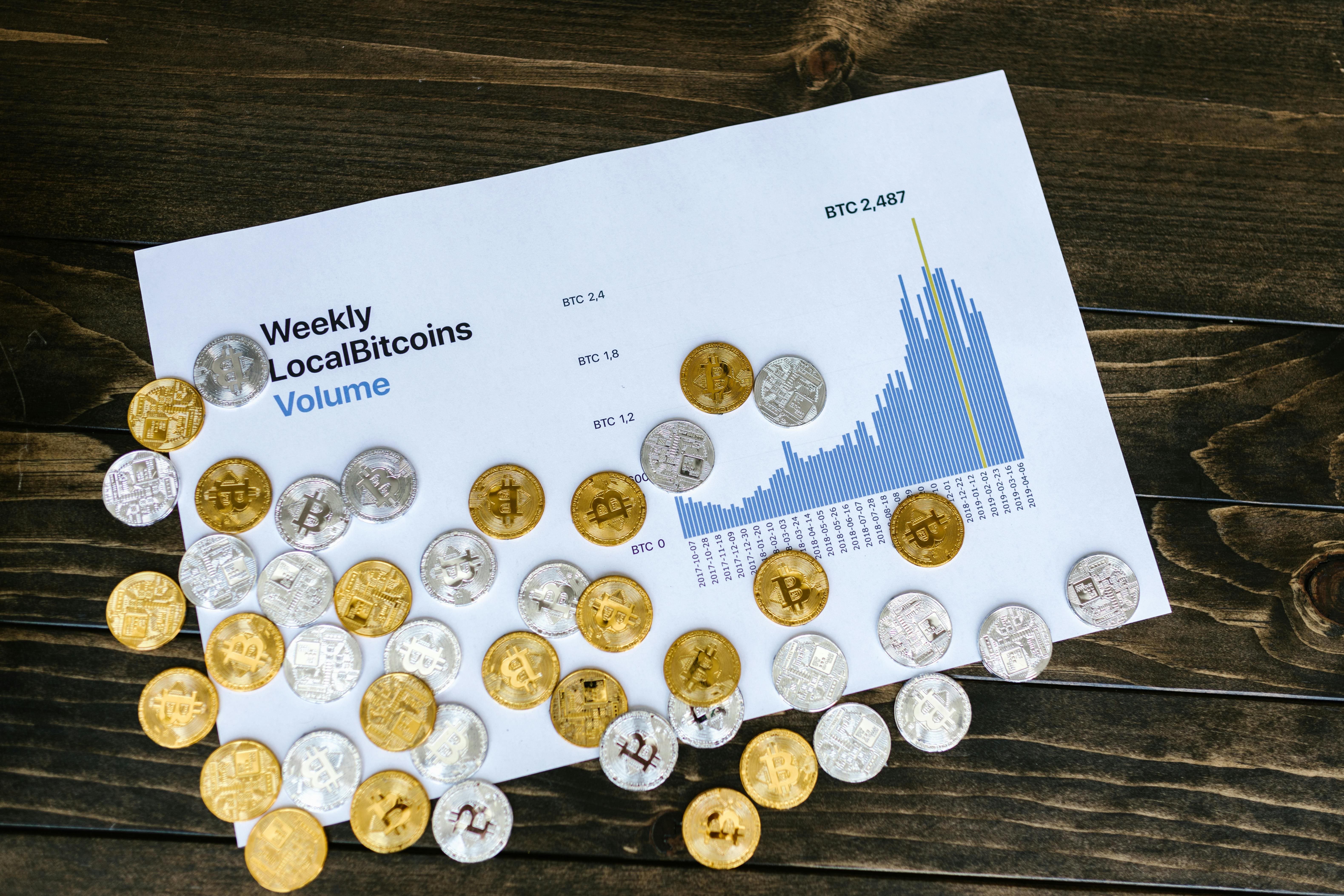
Crypto trading basics for beginners

What Is Crypto Trading

Crypto trading usually means buying, selling, or exchanging digital assets. Depending on context, it can refer to speculative market trading or to a direct exchange flow where one asset is converted into another.

🔄
Crypto Exchange vs Broader Trading
Some users think of crypto trading as active market speculation. Others simply mean exchanging one asset for another. For beginners using this site, the second meaning is the more useful starting point.
📋
What a Beginner Needs to Learn First
A first-time user usually needs to understand only a few essential things: the asset being sent, the asset being received, the correct network, the quote structure, and the route conditions shown before sending.

What You Need Before Starting Crypto Trading

Before making a first crypto exchange, it helps to prepare a few basic details.

👛
A Receiving Wallet or Destination Address
You need to know where the destination asset will be sent. In crypto, wallet details matter because transfers are linked to specific addresses and networks.
🔁
The Asset and Route
You should know what you want to exchange and what you want to receive. Many beginner mistakes come from confusion about the direction of the route.
⛓️
The Correct Network
Some assets exist across multiple networks, so the route must match the destination setup. Sending the right asset on the wrong network can create avoidable problems.
💰
Basic Awareness of Fees and Timing
A beginner should understand that pricing and completion time are not random. Fees, rate format, and route timing can vary by network and route conditions.

How to Start Trading Cryptocurrency

A beginner crypto exchange usually follows a clear sequence.
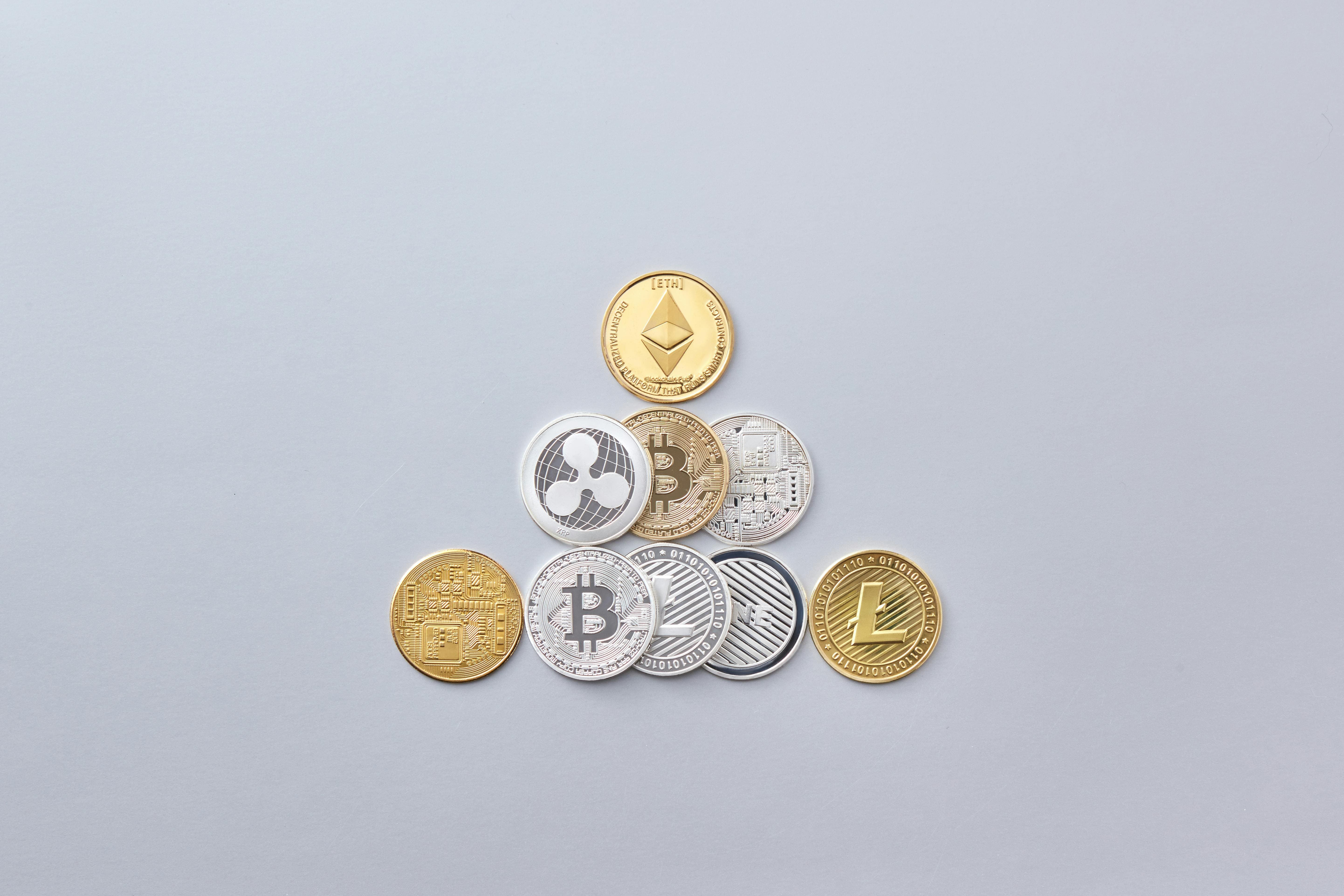
1
Choose What You Want to Send
Start with the asset or fiat-supported route you want to exchange from.
2
Choose What You Want to Receive
Select the destination asset based on what you actually want to hold at the end of the exchange.
3
Review the Pair and Quote
Check the route, the expected amount, and whether the exchange is fixed-rate or floating-rate. Understand the route before confirming it.
4
Enter the Receiving Details
Add the correct wallet address or destination details for the asset you want to receive.
5
Send Funds and Wait
After reviewing the route, complete the transfer using the provided instructions. The route then moves through its normal processing flow.
Core crypto trading concepts

Core Crypto Trading Concepts for Beginners

A beginner does not need to learn everything at once, but a few basic terms matter immediately.

Trading Pair
Shows what asset is being exchanged and what asset is being received. Understanding the pair helps you confirm the direction before sending funds. Learn more →
Rate Type
A route may use a fixed rate or a floating rate. The rate type can affect the final result. See pricing →
Network
The infrastructure used to send and receive the asset. The same coin can sometimes appear across multiple networks.
Final Amount
The destination result shown in the quote. A beginner should always review that amount before confirming the route.

Common Beginner Crypto Trading Mistakes

Many first-time losses come from simple operational mistakes rather than from sophisticated strategy problems.

⚠️
Using the Wrong Network
A wrong network choice can create transfer problems and make the result harder to recover.
⚠️
Sending to the Wrong Address
This is one of the most basic but most serious mistakes in crypto.
⚠️
Not Reviewing the Quote
Beginners sometimes focus only on the coin name and ignore the route conditions, expected amount, or rate format.
⚠️
Confusing the Direction of the Pair
Always verify what you send and what you receive before confirming the exchange.

What Beginners Should Know About Risk

Crypto is a high-risk and highly volatile market. Prices can rise and fall sharply, losses can be substantial, and the asset class is not suitable for everyone.

Crypto Is Volatile
Prices can move quickly and unpredictably. That is one reason beginners should focus on learning the process before taking larger positions.
Do Not Treat Crypto as Guaranteed Profit
Anyone promising easy gains with little risk should be viewed cautiously. Investor guidance on crypto repeatedly warns against that mindset.
Learn First, Scale Later
A better beginner approach is to understand the route, review the quote, and move carefully rather than trying to rush into advanced tactics.

Beginner Checklist Before Sending Funds

Before confirming a crypto exchange, pause and run through a short checklist. Small checks prevent many common first-time mistakes.

Check the asset
Make sure the asset you are sending is the one you actually selected.
Check the network
Confirm that the network matches the destination setup.
Check the receiving address
Review the destination details carefully.
Check the rate type
Know whether the route is fixed-rate or floating-rate.
Check the expected amount
Review the quote before sending funds.
Check the route before confirming
Make sure the overall direction still matches your goal.

Learn the Next Step

Once the beginner flow is clear, the next step is usually to understand pricing, pairs, and timing in more detail.

💰
Pricing and Fees
Learn how exchange fees, spread, and route-based pricing can affect the final amount.
See how exchange pricing works →
🔄
Trading Pairs
Learn how pairs work, how to read them, and how crypto-to-crypto, stablecoin, and fiat-supported routes are structured.
Learn how trading pairs work →
🕐
Trading Hours
Learn why crypto trades 24/7 and how timing, network load, and route conditions can still affect execution.
Learn when exchange is available →

Start With a Simple Crypto Exchange

Use CryptoSwapTrade to move through a beginner-friendly exchange flow with route visibility shown before sending funds. The process is designed to help first-time users understand the direction, review the quote, and complete a crypto exchange with more confidence.

Frequently Asked Questions About Crypto Trading Basics

The basics include understanding what asset you send, what asset you receive, how trading pairs work, which network is used, and how to review the quote before sending funds.

Start by learning the route structure, choosing the asset you want to exchange, reviewing the pair, checking the quote, and confirming the correct receiving details. These are the practical first steps.

A trading pair shows what asset is being exchanged and what asset is being received, such as BTC/USDT or ETH/BTC.

Yes. The correct network matters because some assets exist across multiple networks and the receiving details must match.

Check the asset, network, receiving address, expected amount, and route conditions.

The basic process can be learned, but beginners should move carefully and understand the route before sending funds. Educational materials generally treat crypto as learnable, but also emphasize risk and the need for foundational knowledge.

Use the dedicated pages for pricing, trading pairs, and exchange timing to understand those topics in more detail.